Table of Contents
- Why Look for an Exhale Coffee Alternative for Health?
- The Rise of Healthy Coffee Brands in the UK
- What to Look for in Organic Coffee Beans
- Antioxidant Coffee: Does Roast Level Matter?
- Top Exhale Coffee Alternatives for Health
- How to Choose the Right Coffee for Your Health Goals
- Frequently Asked Questions
Last Updated: October 15, 2026
Why Look for an Exhale Coffee Alternative for Health?
If you're searching for an Exhale Coffee alternative for health reasons, you're likely weighing two things at once: how a coffee makes you feel, and how it fits your routine. At Kiboko Coffee Co, we hear from customers who want the taste of speciality coffee without the late-day caffeine hit. The most common reason people switch is caffeine sensitivity, followed by a wish to drink coffee later in the evening without lying awake at 2am.
The good news is that decaf has changed. Modern decaffeination, particularly the Swiss Water® Process, removes caffeine using water rather than chemical solvents, which many drinkers find reassuring. The British Coffee Association notes that decaf now accounts for a meaningful share of UK coffee sales, and quality has risen sharply.
Below, we'll show you exactly how to choose a decaf that actually tastes good, and which roasts suit which drinkers.
The Rise of Healthy Coffee Brands in the UK
Healthy coffee brands have grown quickly because drinkers now ask harder questions about sourcing, processing and freshness. That shift is real, and it's changed what "good coffee" means to a lot of people.
Three forces are driving it:
- Transparency. Buyers want to know the region, the farm and the process, not just the country.
- Decaf done properly. Swiss Water® and similar methods have replaced the harsh, solvent-heavy decafs of the past.
- Freshness as a health signal. Beans roasted recently and ground to order simply taste better, and that difference is obvious in the cup.
What most guides miss is that "healthy" is not a regulated term in coffee. It's a marketing shorthand. The meaningful variables are caffeine level, processing method and roast date. Judge a brand on those three and you'll rarely be disappointed.
What to Look for in Organic Coffee Beans
Organic coffee beans are beans grown without synthetic fertilisers or pesticides and certified to a recognised standard. In the UK, look for certification bodies such as the Soil Association, which licenses organic status under UK organic certification rules.
Beyond the label, check these:
- Roast date, not best-before date. A roast date tells you when the beans were actually roasted. Best-before dates tell you almost nothing useful.
- Whole bean or fresh grind. Pre-ground coffee stales within days. Order whole bean or a grind matched to your brewer.
- Origin detail. A named region such as Chiapas or Cerrado signals traceability.
- Decaf method. Water-processed decaf tends to preserve more of the bean's natural character.
Antioxidant Coffee: Does Roast Level Matter?
Antioxidant coffee refers to coffee valued for its polyphenol content, particularly chlorogenic acid. Roast level does matter, but not quite in the way most people assume.
Lighter roasts generally retain more chlorogenic acid because the compound degrades with heat. Darker roasts lose some of it, but they gain other flavour compounds, and the differences are modest in a normal daily cup. The bigger variables are how much you drink and whether you add sugar.
Here's the practical takeaway: if antioxidants are your main priority, a medium roast is a sensible middle ground. If flavour is your priority, drink the roast you actually enjoy, because a coffee you look forward to is one you'll keep drinking.
| Roast Level | Antioxidant Retention | Flavour Character | Best For |
|---|---|---|---|
| Medium | Higher | Balanced, sweet | Daily drinkers |
| Dark | Lower | Bold, chocolatey | Milk drinks |
| Light | Highest | Bright, acidic | Filter brewing |
Top Exhale Coffee Alternatives for Health
The best Exhale Coffee alternative for health depends on whether you want a smooth evening cup or a rich, full-bodied one. Our four picks below are all decaf single origins or bundles, roasted for freshness and available in whole bean or ground to order.
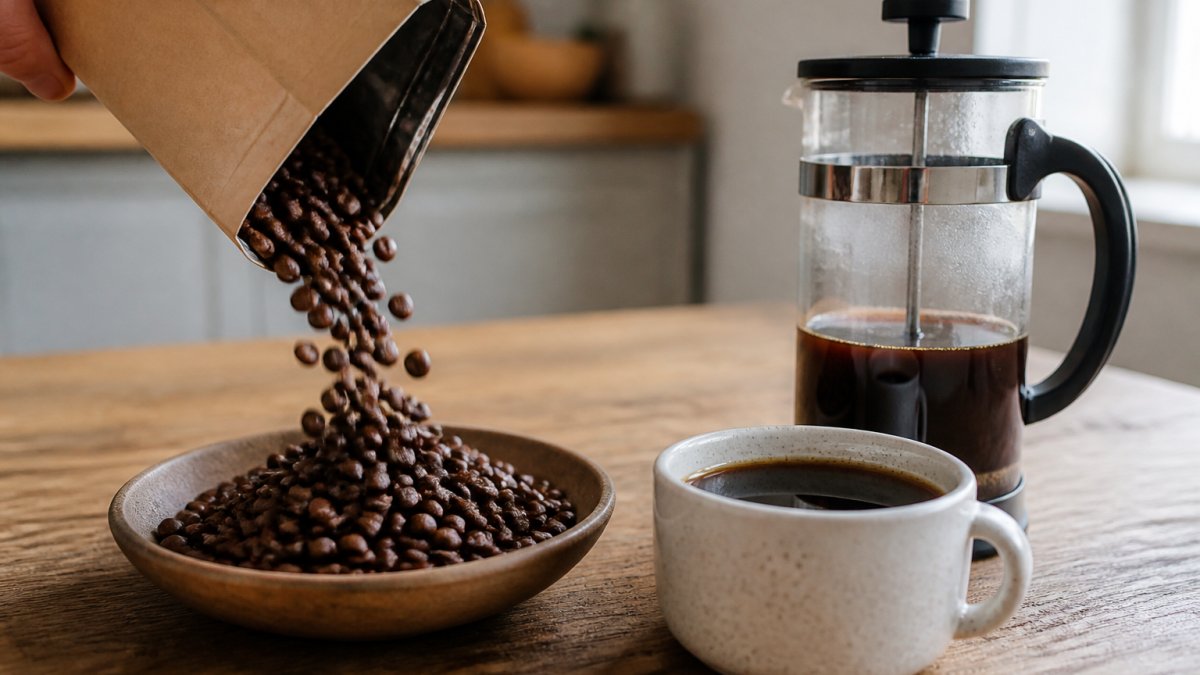
Mexico Chiapas Decaf: Smooth and Sweet
Our Mexico Chiapas • Decaf is the pick for anyone who wants a gentle, sweet cup. It's a 100% Arabica single origin from the Chiapas region, water-processed using water from the highest mountain in Mexico to leave it 99.9% caffeine free.

Tasting notes run to red berries, almond and milk chocolate, with a medium roast that keeps things approachable. It's particularly good with milk, which makes it a natural fit for flat whites and lattes. At £10.99 for a 250g bag, it's an easy entry point.
Mexico Chiapas • Decaf Coffee →
Brazil Cerrado Decaf: Rich and Full-Bodied
For drinkers who want decaf that stands up to milk, Brazil Cerrado • Decaf is the stronger option. It's decaffeinated using the 100% chemical-free Swiss Water® Process, which preserves the bean's natural flavour complexity.
Expect dark chocolate, caramel and hints of red apple from a dark roast. It's built for lattes, cappuccinos and flat whites, and it holds its own against a rich dessert. Also £10.99 for 250g.
Decaf Bundles: Best Value for Regular Drinkers
If you drink decaf most evenings, the bundles cut the cost per gram. The Decaf Bundle (250g) pairs Brazil Cerrado with Mexico Chiapas for £19.49, letting you switch between a bold cup and a smooth one without buying two full bags.
For heavier drinkers, the Decaf Bundle (1kg) brings both together for £55.99, which works out considerably cheaper per gram than buying singles. Both come as whole bean or ground to your brewer.
A common mistake is buying a kilo before you know which roast you prefer. Start with the 250g bundle, find your favourite, then scale up.
| Pick | Price | Roast | Best For |
|---|---|---|---|
| Mexico Chiapas • Decaf | £10.99 | Medium | Smooth evening cups |
| Brazil Cerrado • Decaf | £10.99 | Dark | Milk drinks |
| Decaf Bundle (250g) | £19.49 | Mixed | Trying both roasts |
| Decaf Bundle (1kg) | £55.99 | Mixed | Regular decaf drinkers |
How to Choose the Right Coffee for Your Health Goals
Matching a coffee to your health goals comes down to three questions: when you drink it, how you take it, and how much you care about antioxidants. Answer those honestly and the choice becomes straightforward.
- If caffeine keeps you awake, choose decaf and drink it as late as you like.
- If you drink lattes, pick a dark roast that holds up to milk.
- If antioxidants matter most, lean medium.
- If you're unsure, start with a 250g bundle and taste both.
One thing nobody tells you about switching to decaf: the freshness matters more, not less. Because decaf flavours are subtler, stale beans show their flaws faster. Order from a roaster that roasts through the week, and buy in quantities you'll finish within a month.
Frequently Asked Questions
What is a healthy alternative to Exhale Coffee?
A healthy alternative to Exhale Coffee is a specialty decaf coffee made from organic beans, such as Mexico Chiapas Decaf or Brazil Cerrado Decaf. These options are 100% Arabica, single-origin, and processed without chemicals. They provide the flavour and ritual of coffee without the caffeine, making them suitable for those sensitive to caffeine or looking to reduce their intake while still enjoying antioxidant benefits.
Is organic coffee better for your health?
Organic coffee beans are grown without synthetic pesticides, which may reduce your exposure to chemical residues. While research on direct health benefits is mixed, choosing organic coffee supports sustainable farming and often indicates higher quality. For those seeking an Exhale Coffee alternative for health, organic beans can be part of a cleaner daily routine, especially when combined with other healthy habits.
Does roast level affect the health benefits of coffee?
Yes, roast level can influence the antioxidant content of coffee. Lighter roasts tend to retain more chlorogenic acid, a key antioxidant, while darker roasts have fewer antioxidants but may be easier on the stomach. If antioxidant coffee is your goal, a medium roast like Mexico Chiapas Decaf offers a balance of flavour and beneficial compounds, while dark roasts like Brazil Cerrado Decaf provide a richer taste with slightly lower antioxidant levels.
Can ordinary coffee provide antioxidants?
Yes, ordinary coffee is a major source of antioxidants in many diets. However, the level depends on the bean, roast, and brewing method. Specialty coffee brands that focus on freshness and quality, such as those offering organic coffee beans, often preserve more antioxidants. Choosing a decaf option like Mexico Chiapas Decaf allows you to enjoy these benefits without the caffeine, making it a smart choice for evening consumption.
How do I know if a coffee brand is truly ethical?
Look for certifications like Fairtrade, Rainforest Alliance, or direct trade relationships. Some brands, such as Kiboko Coffee Co, donate a portion of sales to charities like Farm Africa, providing transparency. Check the roaster's website for sourcing details and roast dates. Freshness matters too: beans roasted throughout the week and shipped quickly are more likely to taste better and retain beneficial compounds.
Finding a decaf that tastes as good as your regular cup shouldn't be a compromise. At Kiboko Coffee Co, we roast through the week for freshness, offer four grind sizes plus whole bean, and donate £1 to Farm Africa for every kilo sold. Start with our Mexico Chiapas • Decaf or the Decaf Bundle (250g) and taste the difference fresh, ethically sourced decaf makes. Shop now.