Table of Contents
- How to Choose Coffee Beans for Home Espresso
- Quick Comparison: Best Coffee Beans for Home Espresso
- Best Roast for Espresso: Medium, Dark, and Everything In Between
- Espresso Blend vs Single Origin: Which Suits Your Machine?
- Grind Size for Espresso: Getting the Setting Right
- How to Store Coffee Beans for Espresso
- Which Beans Should You Pick?
- Frequently Asked Questions
Last Updated: October 13, 2026
How to Choose Coffee Beans for Home Espresso
Choosing the best coffee beans for home espresso comes down to three things: a recent roast date, a roast level that suits your taste, and a grind matched to your machine. Get those right and even a modest setup produces shots that beat most high-street cafés. Get them wrong and no amount of expensive equipment will save the cup.
At Kiboko Coffee Co, we roast in small batches and rest every order before it ships, because we know how much freshness matters once beans meet hot water. Below, we break down exactly what to look for, how roast level and origin change what lands in your cup, and which of our coffees we would pick for your machine.
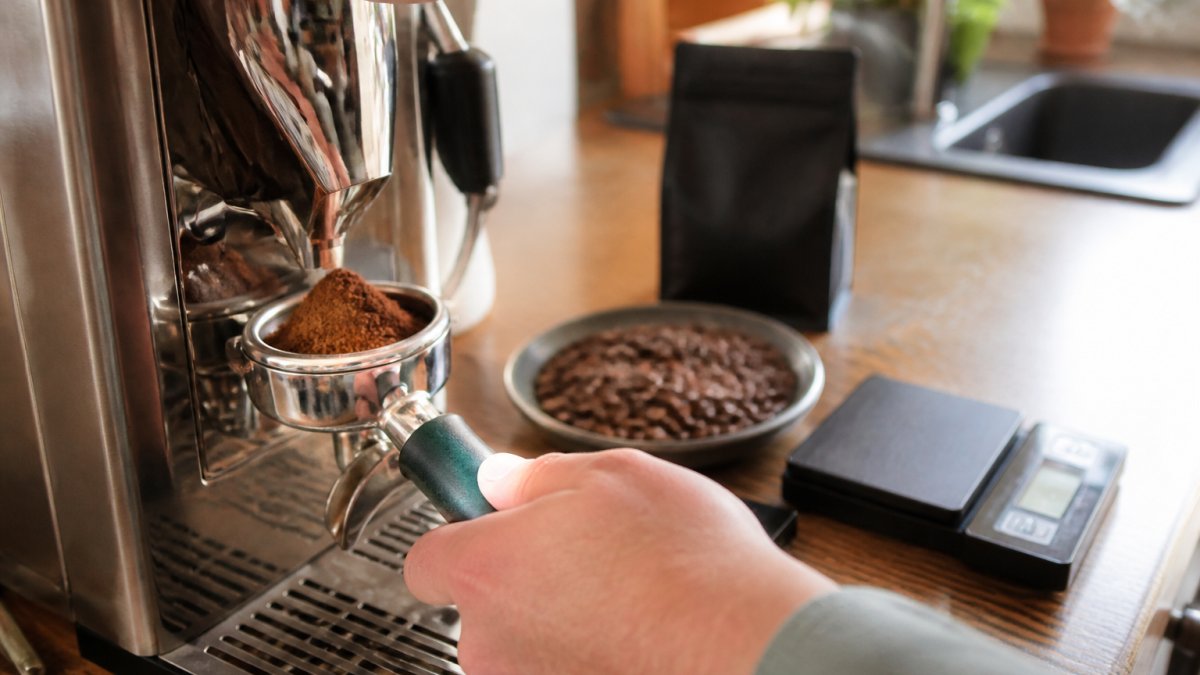
Freshness: Why Roast Date Matters More Than Best-Before Dates
The roast date is the only date that tells you anything useful about espresso beans. A best-before date can sit a year or more in the future, and it says nothing about when the beans were actually roasted. Coffee starts losing the volatile compounds that carry its aroma within days of roasting, and the decline is steepest in the first few weeks.
For espresso specifically, the sweet spot tends to fall between roughly one and four weeks after roasting. Too fresh and the beans release carbon dioxide so quickly that shots run gassy and uneven. Too old and the crema thins out and the flavour flattens into something cardboard-like.
A common mistake is buying a large bag to save money, then watching the second half go stale before it is finished. If you drink one or two shots a day, a 250g bag is usually the smarter buy.
Quick Comparison: Best Coffee Beans for Home Espresso
Here is how our range breaks down by roast level and what each one does best in a home espresso setup. Every bag is £10.99, available whole bean or in four grind sizes.
| Coffee | Roast Level | Tasting Notes | Best For |
|---|---|---|---|
| Nyumba Blend | Medium | Pecan, toffee, milk chocolate | All-rounder; flat whites and Americanos |
| Usiku Blend | Dark | Nougat, molasses, dark chocolate | Bold espresso and moka pot |
| Shujaa Blend | Dark | Caramel, dark chocolate, dates | Milk drinks that need punch |
| Nyororo Blend | Medium | Vanilla, blueberry, milk chocolate | Smooth lattes and creamy espresso |
| Tamu Blend | Medium | Milk chocolate, raisin, vanilla | Sweet, low-acidity espresso |
| Brazil Cerrado | Medium | Caramel, hazelnut, dark chocolate | Filter, mocha, macchiato |
| Colombia Antioquia | Medium | Cedar, walnut, chocolate | Classic espresso and flat whites |
| Kenya Nyeri AA | Medium | Blackcurrant, vanilla, cocoa | Bright, fruity espresso |
| Ethiopia Irgachefe | Medium | Earl grey, jasmine, whisky | Adventurous, aromatic shots |
| Costa Rica Tarrazu | Medium | Malt, plum, dark chocolate | Flat whites and cappuccinos |
Best Roast for Espresso: Medium, Dark, and Everything In Between
Medium roast is the best starting point for most home espresso setups. It keeps enough acidity to taste lively while developing the sweetness that makes espresso enjoyable neat. Medium roasts are also more forgiving of small mistakes in grind and dose.

Dark roasts trade some of that complexity for body and intensity. They cut through milk easily, which is why they dominate traditional Italian-style espresso. The risk is going too dark: past a certain point, you taste roast rather than bean.
Light roasts are the hardest to pull well at home. They are denser, require finer grinding, and punish inconsistent technique. If you are still dialling in your routine, a medium roast will teach you more, faster.
Our Usiku Blend sits at the dark end, with nougat and molasses sweetness rather than char. The Nyumba Blend is a balanced medium that works black or with milk, which is why we recommend it to anyone new to speciality coffee.

Espresso Blend vs Single Origin: Which Suits Your Machine?
Blends are built for consistency; single origins are built for character. A blend combines beans from several regions so the roaster can hit the same flavour profile batch after batch. A single origin comes from one place, so it tastes like that place, with all the variation that implies.
For home espresso, blends usually win on repeatability. If you want the same shot every morning without adjusting your grinder, a blend is the safer choice. Single origins reward curiosity: they shift with the harvest, and they show you what a specific region tastes like.
That does not mean single origins cannot pull great espresso. Our Colombia Antioquia is a fully washed medium roast that shines as a shot, with walnut and chocolate notes that hold up in a flat white. The Kenya Nyeri AA brings blackcurrant brightness that makes a genuinely distinctive espresso.

The practical answer: start with a blend, then add a single origin once your routine is stable.
Grind Size for Espresso: Getting the Setting Right
Espresso needs a fine grind, finer than filter or cafetière, but not so fine that the machine chokes. The grind controls how fast water moves through the coffee, and that flow rate decides whether you get a balanced shot or a sour, watery one.
A useful target for a double shot is roughly 25 to 30 seconds from the moment the pump starts to the moment you stop it. If it runs through in 15 seconds, the grind is too coarse. If nothing comes out at all, it is too fine.
Two variables matter as much as grind: dose and tamp. Weigh your coffee rather than scooping it, and tamp level and firm. Change one variable at a time, or you will never know what fixed the problem.
How to Store Coffee Beans for Espresso
Store coffee beans in an airtight container, away from light, heat, and moisture. The enemies of fresh coffee are oxygen, light, and temperature swings, and the kitchen counter next to the kettle is a bad home for all three.
Keep the bag sealed and in a cupboard rather than the fridge. Fridge storage exposes beans to moisture and odours from other food, and every time you open the door the temperature shifts. A cool, dark cupboard beats a cold one.
Freezing works if you do it properly. Portion the beans into small bags, squeeze out the air, and freeze only what you will not use within a couple of weeks. Once thawed, use them.
Buy in sizes you will finish. A 250g bag lasts most households about two weeks.
Which Beans Should You Pick?
If you want one answer: Nyumba Blend is our pick for most home espresso setups, because its medium roast handles black shots and milk drinks equally well and it is forgiving while you learn. It is priced at £10.99 for 250g, and every kilo sold contributes £1 to projects supporting communities in coffee-growing Africa.
For darker tastes, the Usiku Blend or Shujaa Blend deliver the bold, chocolate-forward character that cuts through a latte. If you want something sweeter and smoother, the Nyororo Blend and Tamu Blend are the natural next step.
Whichever you choose, order whole bean if you can, buy smaller bags more often, and give the beans a week or two after the roast date before you judge them. That single habit will improve your home espresso.
Frequently Asked Questions
What are the best coffee beans for home espresso?
The best beans for home espresso balance sweetness, body, and clarity. Medium roasts suit most machines because they extract evenly and produce a rounded shot. Blends like Nyumba, Nyororo, or Tamu (all £10.99 for 250g) combine origins to keep flavour consistent bag after bag. Single origins such as Brazil Cerrado or Colombia Antioquia also work well if you want a specific flavour profile. Look for a recent roast date and buy whole bean where possible.
Which roast is best for espresso?
Medium roasts are the safest starting point for home espresso. They extract evenly, produce a balanced shot, and work with or without milk. Dark roasts like Usiku or Shujaa deliver bolder, smokier flavours and thicker crema, which suits milk-based drinks such as flat whites and lattes. Light roasts can taste sour in espresso because they need higher temperatures and finer grinds than most home machines provide. Try a medium first, then move darker if you want more punch.
Can you use any coffee beans in an espresso machine?
You can physically brew any coffee bean in an espresso machine, but the results vary. Supermarket beans with no roast date are often stale by the time they reach your kitchen, which leads to thin shots and poor crema. Beans roasted for filter or cafetière are ground too coarsely for espresso. For consistent results, use beans roasted specifically for espresso, ground to a fine setting, and used within four to six weeks of the roast date.
Should I choose a blend or a single-origin coffee for espresso?
Blends are the safer choice for everyday espresso because they combine origins to balance sweetness, body, and acidity, and they stay consistent between batches. Single origins offer a clearer taste of one region: Kenya Nyeri AA brings blackcurrant and cocoa, while Ethiopia Irgachefe leans floral and tea-like. If you drink espresso with milk most mornings, a blend is usually easier to dial in. If you want to explore flavours, try a single origin alongside your usual blend.
How should I store coffee beans for espresso?
Keep beans in an airtight, opaque container at room temperature, away from direct sunlight, heat, and moisture. Do not store them in the fridge or freezer for daily use, as condensation harms the beans each time you open the container. Buy in quantities you will use within four to six weeks, and keep the bag sealed between shots. If you buy 1kg bags, split them into smaller containers and keep the one you are not using sealed.
Switching from capsules to real beans feels like a step up in effort, but the payoff is a cup you actually control. At Kiboko Coffee Co, we roast to demand, rest every batch before packing, and offer four grind sizes plus whole bean, so you can start brewing properly without buying a grinder on day one. Every order over the threshold ships fast, and 315+ customer reviews back up what we promise. Shop now and taste the difference fresh-roasted specialty coffee makes in your morning shot.