Table of Contents
- Square Mile vs Origin Coffee: How the Two Roasters Compare
- Roast Styles and Flavour Profiles
- Sourcing, Ethics and Certifications
- Best Single Origin Coffee Beans 2026: What to Look For
- How to Choose Specialty Coffee Beans
- Specialty Coffee Subscription UK: Freshness and Convenience
- Which Roaster Suits Your Brewing Setup?
- Frequently Asked Questions
Last Updated: October 1, 2026
Square Mile vs Origin Coffee: How the Two Roasters Compare
Square Mile vs Origin Coffee is one of the most common comparisons in British specialty coffee, and for good reason: both are respected roasters with strong reputations. Square Mile has built its name on bright, filter-focused roasts and competition-grade consistency. Origin Coffee leans toward balanced profiles that work across espresso and filter, backed by a long-standing sourcing programme.
This guide from Kiboko Coffee Co breaks down where each roaster wins, where they fall short, and which one suits your brewing setup. We'll also cover what to look for in single origin beans, how to choose specialty coffee, and whether a subscription makes sense for your routine.
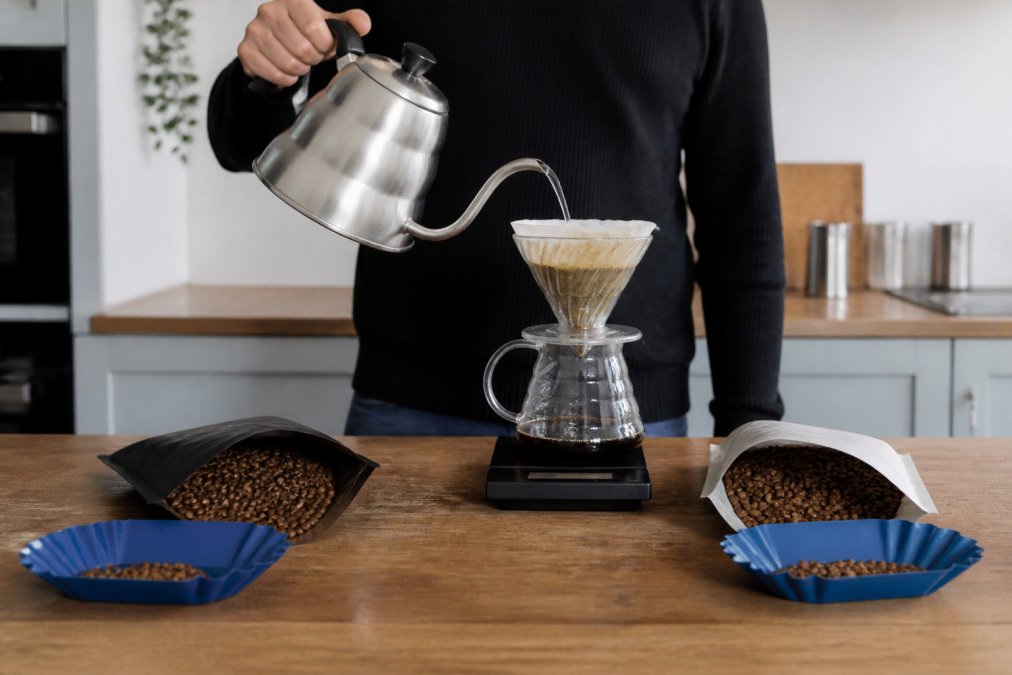
The two roasters approach coffee from different angles. Square Mile is closely associated with the competitive coffee scene, and that shows in its roast style. Origin takes a broader approach, with a range designed to serve both home drinkers and hospitality customers across the UK.
For a fuller picture of what's available, the Specialty Coffee Association's guidance on quality standards sets out the grading and cupping benchmarks that separate specialty from commodity coffee.
Roast Styles and Flavour Profiles
Roast style is where these two roasters diverge most clearly. Square Mile tends to roast lighter, aiming for clarity and acidity. Origin roasts slightly darker on average, prioritising balance and body.
Square Mile: Bright, Filter-Focused Roasts
Square Mile's house style favours filter brewing. Expect pronounced fruit acidity, floral notes, and a lighter body. That profile rewards careful brewing: if your grind or water temperature is off, the cup can taste thin or sharp. Espresso drinkers who prefer a softer, sweeter shot may find the lighter roasts harder to dial in, especially on entry-level machines.
Origin: Balanced Roasts for Espresso and Filter
Origin's core range is built for flexibility. The roasts tend to sit in the medium range, which means they pull a forgiving espresso shot and still work well in a pour-over. If you switch between a flat white in the morning and a filter coffee in the afternoon, that versatility matters.
A common mistake is assuming a lighter roast is automatically "better." It isn't. The right roast depends on your equipment, your water, and how you take your coffee.
| Roaster | Typical Roast Level | Flavour Direction | Best Suited To |
|---|---|---|---|
| Square Mile | Light to medium | Bright, fruity, high acidity | Filter, pour-over, V60 |
| Origin | Medium | Balanced, rounded, moderate acidity | Espresso and filter |
| Kiboko Coffee Co | Medium to dark | Sweet, chocolate-forward, low acidity | Espresso, milk drinks, filter |
Sourcing, Ethics and Certifications
Both roasters publish information about their sourcing, and both work with producer relationships rather than anonymous commodity supply. That's the baseline for any specialty roaster worth buying from. What differs is how much detail you get and how easy it is to verify.
When you're assessing any roaster's ethical claims, look for three things:
- Named farms, cooperatives, or regions rather than vague country labels
- Transparent pricing or direct trade arrangements where stated
- Certification schemes you can check independently
The Fairtrade Foundation's standards for coffee explain how certification is verified, which helps you separate a genuine programme from marketing language.
Kiboko Coffee Co takes a straightforward approach here: every kilo sold contributes £1 to Farm Africa, supporting communities in coffee-growing regions.
Best Single Origin Coffee Beans 2026: What to Look For
The best single origin coffee beans in 2026 are the ones that match your brewing method and taste preference, not the ones with the highest price tag. Single origin means the beans come from one country, region, or farm, so the flavour reflects that specific place rather than a blend of sources.
Four things decide whether a single origin is worth buying:
- Roast date. Freshness matters more than almost anything else. Look for a roast date, not a best-before date.
- Origin clarity. "Ethiopia" is vague. "Ethiopia, Yirgacheffe, Konga washing station" tells you something.
- Processing method. Washed coffees taste cleaner and brighter; natural coffees taste fruitier and heavier.
- Roast level. Match it to your brewer. Light roasts suit filter; medium and dark roasts suit espresso and milk drinks.
A single origin is not automatically better than a blend. Blends exist because they're consistent and often more forgiving. If you want the same cup every morning, a blend usually delivers that more reliably.
How to Choose Specialty Coffee Beans
Choosing specialty coffee beans comes down to three questions: how you brew, how you drink it, and how fresh you can get it. Answer those honestly and the shortlist writes itself.
Start with your brewer. A filter machine or pour-over rewards lighter, brighter roasts. An espresso machine or moka pot suits medium to dark roasts, which extract more evenly under pressure. If you drink mostly lattes and flat whites, you want body and sweetness that survive the milk.
Then consider your palate. If you already know you like dark chocolate and caramel notes, a dark roast blend is the safer starting point. If you're curious about fruit-forward cups, try a light-roast single origin from a filter-friendly roaster.
Grind size is where most home brewers lose quality. If you're not ready to buy a grinder, ordering beans ground to your specific brewer is a reasonable compromise. Kiboko Coffee Co offers four grind sizes plus whole bean, so you can get a cafetière-ready grind or an espresso grind without extra equipment.
Specialty Coffee Subscription UK: Freshness and Convenience
A specialty coffee subscription in the UK solves one problem above all others: freshness. Coffee starts losing its best flavours within weeks of roasting, so a recurring delivery of recently roasted beans beats a large bag that sits in the cupboard for two months (Coffee Decoded: What is “freshly roasted” coffee?).
Subscriptions also remove the decision fatigue. You pick a roast level or a flavour direction, and the coffee arrives on a schedule. For busy households, that consistency is the whole point.
What to check before subscribing:
- Is there a stated roast date on every bag?
- Can you choose grind size, or is it whole bean only?
- How quickly does it ship, and is dispatch same-day?
- Can you pause or change the schedule without a penalty?
Kiboko Coffee Co roasts throughout the week and dispatches same-day on orders placed before 12:00, with most orders arriving next working day.
Which Roaster Suits Your Brewing Setup?
The right roaster depends on your equipment and how you take your coffee. There's no single winner, but there is a clear fit for most setups.
If you brew filter and enjoy bright, fruit-forward cups, Square Mile's lighter style is a natural match, provided you're willing to dial in your technique. If you want one coffee that handles espresso, milk drinks, and filter without fuss, Origin's balanced medium roasts are the easier choice.
If you want freshness, ethical sourcing, and grind flexibility in one place, Kiboko Coffee Co is built around exactly that.
Frequently Asked Questions
Is Square Mile or Origin Coffee better for espresso?
Origin Coffee generally suits espresso drinkers better. Its blends are roasted to hold up against milk and pull consistently on home machines. Square Mile leans toward lighter roasts built around filter and pour-over, so its espresso can taste sharp or underdeveloped without careful dialling in. If your daily drink is a flat white or latte, Origin's darker profiles are the safer starting point.
Do Square Mile and Origin Coffee offer subscription services?
Both roasters run subscription services that ship beans on a schedule you set, usually weekly, fortnightly or monthly. Subscriptions matter because freshness drives flavour: beans taste best within two to four weeks of roasting. Whichever roaster you pick, check the roast date on arrival rather than the best-before date, and choose a plan sized to how much coffee you actually drink each week.
What are the main flavour profile differences between Square Mile and Origin?
Square Mile roasts lighter, producing bright cups with pronounced fruit and floral notes, which suits filter brewing. Origin roasts across a wider range, from light single origins to darker espresso blends with chocolate and caramel notes. Neither is objectively better; the choice depends on whether you brew filter or espresso and whether you prefer acidity or sweetness in the cup.
Are both roasters ethically sourced and B Corp certified?
Origin Coffee holds B Corp certification, which verifies its social and environmental standards against an independent framework. Square Mile publishes sourcing information and works directly with producers. If ethical sourcing decides your purchase, look for named farms, harvest details and certification on the bag. Kiboko Coffee Co takes a similar approach, donating £1 to Farm Africa for every kilo sold.
Which coffee roaster is best for home brewing beginners?
Beginners do best with medium roasts and blends, which forgive small mistakes in grind size and water temperature. Square Mile and Origin both sell blends suited to this, though their single origins can be harder to brew well at first. Kiboko's Nyumba Blend, a medium roast with pecan, toffee and milk chocolate notes, is built as an everyday starting point, and it comes in four grind sizes if you don't own a grinder.
Choosing a roaster is really a question of matching coffee to your routine, not chasing a reputation. If you want fresh-roasted beans, a grind matched to your brewer, and £1 from every kilo going to Farm Africa, Kiboko Coffee Co is worth trying. Start with the Nyumba Blend if you're new to specialty coffee, or the Usiku Blend if you like it dark. Shop now and see the difference freshness makes in your morning cup.