Table of Contents
- Comparing the Best Single Origin Coffee Beans of 2026
- 1. Kenya Nyeri AA: The Blackcurrant Powerhouse
- 2. Ethiopia Irgachefe: A Floral and Complex Classic
- 3. Brazil Cerrado: Smooth, Chocolatey, and Approachable
- 4. Guatemala La Antigua: Bright Notes from Volcanic Soil
- 5. Colombia Antioquia: The Dependable All-Rounder
- What Is Single Origin vs Blend Coffee?
- How to Brew Single Origin Coffee for the Best Flavour
- Frequently Asked Questions
Last Updated: September 6, 2026
Single origin coffee is the fastest way to transform your daily brew from a caffeine hit into a genuinely memorable experience. Choosing the best single origin coffee beans 2026 has to offer comes down to understanding your palate and matching it to the right growing region. At Kiboko Coffee Co, we roast small batches weekly to lock in peak freshness, and this guide breaks down the origins that consistently impress home brewers in the UK.
Whether you crave a bright, fruity African cup or a smooth, chocolatey South American one, there is a perfect match here. We have included tasting notes, ideal brewing methods, and honest pros and cons for each pick.
Comparing the Best Single Origin Coffee Beans of 2026
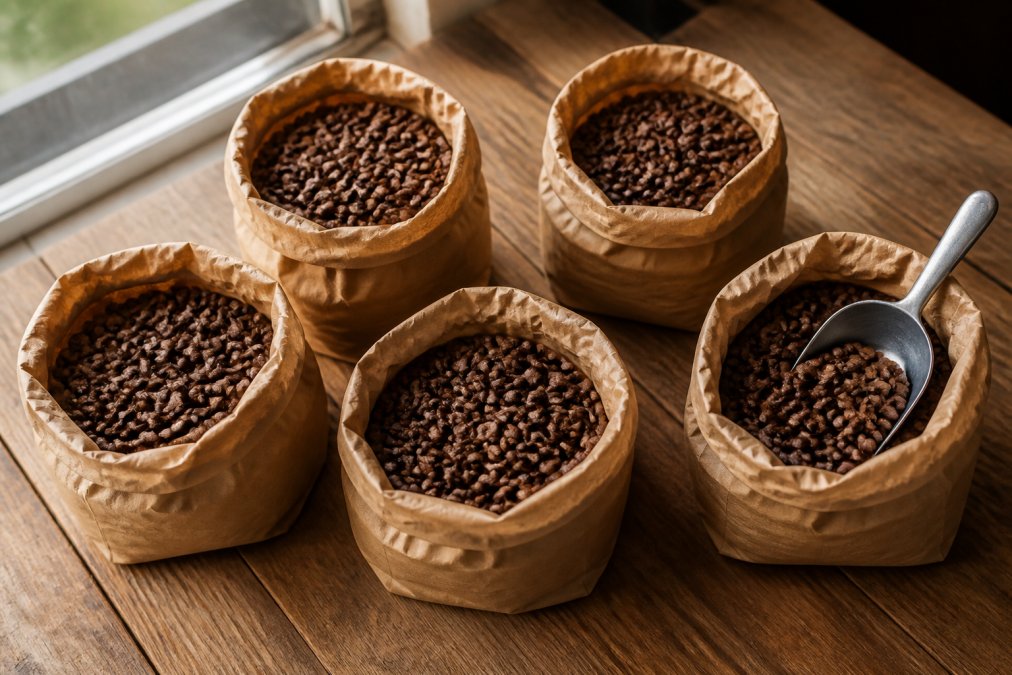
A single origin coffee comes from one specific farm, cooperative, or region, giving it a distinct character tied to that place. The best single origin coffee beans 2026 delivers are the ones that suit how you brew and what you enjoy tasting.
We have structured our recommendations around flavour profile rather than just geography. This makes it easier to find your next favourite bag.
| Coffee | Tasting Notes | Best Brew Method | Best For |
|---|---|---|---|
| Kenya Nyeri AA | Blackcurrant, Vanilla, Cocoa | Pour-over, Espresso | Adventurous palates wanting complexity |
| Ethiopia Irgachefe | Earl Grey, Jasmine, Whisky | Espresso, Pour-over | Those seeking a floral, unique cup |
| Brazil Cerrado | Caramel, Hazelnut, Dark Chocolate | Filter, AeroPress | Lovers of smooth, low-acidity coffee |
| Guatemala La Antigua | Malt, Blackberry, Cocoa Powder | Pour-over, Filter | Fans of bright, clean filter coffee |
| Colombia Antioquia | Cedar, Walnut, Chocolate | Espresso, Flat White | Anyone wanting a dependable daily driver |
1. Kenya Nyeri AA: The Blackcurrant Powerhouse
Kenyan coffee is celebrated worldwide for a reason, and the AA grade represents the largest, finest beans from the fertile volcanic slopes of Mount Kenya (coffeeresearch.org). This is a great pick for drinkers who want a coffee with real personality, moving beyond generic chocolate notes into something far more exciting.

The fully washed process delivers exceptional clarity. You will find a decadently smooth cup with prominent blackcurrant, a hint of vanilla, and a cocoa finish that lingers pleasantly.
- Pros: Complex, distinctive flavour; supports farming cooperatives.
- Cons: The bright acidity may be too intense for those preferring a mellow cup.
This origin shines as a pour-over, where its clarity and bright character are fully expressed. It also makes a memorable espresso. If you are coming from a darker roast, expect a learning curve towards higher acidity.
2. Ethiopia Irgachefe: A Floral and Complex Classic
Ethiopia is the birthplace of coffee, and the Yirgacheffe region produces some of the most distinctive beans on earth (peer-reviewed research). The rare heirloom varieties here deliver a flavour profile that is genuinely intriguing, with notes of Earl Grey tea, jasmine, and a subtle whisky-like complexity.
This medium roast is perfect for the adventurous coffee lover. The high-altitude growing conditions and traditional processing create a cup that is simultaneously refreshing and smooth.
- Pros: Truly unique and sophisticated flavours; a conversation starter.
- Cons: Its distinctive character is not for everyone; some may find it too unusual.
This single origin coffee excels as an espresso, where its aromatic qualities create an unforgettable shot.
3. Brazil Cerrado: Smooth, Chocolatey, and Approachable
For those transitioning from supermarket blends or capsule machines, the Brazil Cerrado is an excellent introduction to speciality coffee. Grown in the high plateau of Minas Gerais, this 100% Arabica bean offers a classic profile: smooth, chocolate-forward, and low in acidity.

Expect caramel sweetness up front, a clear hazelnut note in the middle, and a dark chocolate finish. We roast it to a medium level that respects the bean's natural mildness, avoiding any roasty bitterness. The result is a coffee that is incredibly easy to love.
- Pros: Very approachable; consistent quality; excellent value.
- Cons: Lacks the dramatic complexity of African origins.
This is one of the best filter coffees we offer. Its cleanliness shines through pour-over and AeroPress methods, but it also makes a beautiful mocha or macchiato, where the inherent chocolate notes complement milk perfectly.
4. Guatemala La Antigua: Bright Notes from Volcanic Soil
The volcanic valleys surrounding the colonial city of La Antigua create one of the world's most unique growing environments. The mineral-rich soil and dramatic temperature variations between day and night produce beans with exceptional density and vibrant acidity.
This coffee delivers a distinctively bright and aromatic cup. You will find notes of malt, blackberry, and cocoa powder, with a clean finish. It is a fantastic choice for anyone who appreciates clarity in their brew.
- Pros: Exceptional clarity; complex flavour profile; beautiful aroma.
- Cons: Bright acidity might not suit those who prefer a heavier body.
Guatemala La Antigua produces a truly fantastic filter coffee. Its natural brightness and aromatic intensity make it ideal for pour-over brewing methods.
5. Colombia Antioquia: The Dependable All-Rounder
Colombian coffee has become synonymous with quality worldwide, and the Antioquia region surrounding Medellín is a prime example of why. This supremo-grade coffee delivers a deliciously mild and nutty drinking experience.
Sourced from fully washed Arabica beans, this medium roast showcases notes of cedar, walnut, and chocolate. It is a coffee that gets everything right without trying to be flashy, making it the perfect choice for a dependable daily ritual.
- Pros: Reliable and balanced; works across all brewing methods.
- Cons: May be considered safe or predictable by hardcore enthusiasts.
Colombia Antioquia shines particularly bright as an espresso, where its natural sweetness and nutty complexity create an unforgettable shot. It also pairs beautifully with a small amount of milk, making it an excellent choice for flat whites.
What Is Single Origin vs Blend Coffee?
The difference between single origin vs blend coffee is straightforward: a single origin coffee comes from one place, while a blend combines beans from multiple origins. This distinction has a significant impact on flavour, consistency, and how you should approach your purchase.
A single origin coffee is prized for its unique, terroir-driven character. It offers a taste of a specific region, like the blackcurrant notes of Kenya or the floral complexity of Ethiopia. A blend, on the other hand, is crafted by a roaster to achieve a consistent, balanced flavour profile that remains the same bag after bag.
Choosing between them depends on your priorities. If you are an enthusiast seeking new and varied taste experiences, single origin is the way to go. If you want a dependable, everyday cup that tastes the same every morning, a well-crafted blend is often the better choice. Many of our customers keep both on hand: a single origin for the weekend ritual and a blend for the weekday rush.
How to Brew Single Origin Coffee for the Best Flavour
To get the best from your beans, focus on three variables: freshness, grind size, and brew ratio. Freshly roasted beans are essential, as they release carbon dioxide and volatile aromatics that degrade quickly after roasting.
You should grind your beans just before brewing. The correct grind size depends on your method: coarse for French press, medium for drip and pour-over, and fine for espresso. A common mistake is using a pre-ground bag that has been sitting on a shelf for weeks, which results in a flat, lifeless cup.
A standard starting ratio is 60 grams of coffee per litre of water. From there, adjust to taste. If you are new to brewing single origin coffee, we offer four grind sizes plus whole bean options, so you can order your coffee ready for your specific brewer, from AeroPress to espresso machine.
For those with busy mornings, a coffee subscription ensures you never run out of fresh beans. A coffee subscription delivers freshly roasted coffee to your door on a schedule that suits you. This removes the hassle of remembering to reorder and guarantees a consistent, premium home-brewing experience.
Choosing the best single origin coffee beans 2026 has to offer is a personal journey, but starting with a region that matches your taste preferences makes it far easier. Whether you prize the bold blackcurrant of Kenya or the smooth chocolate of Brazil, there is a single origin coffee waiting to become your new favourite. At Kiboko Coffee Co, we are passionate about helping you find it, with ethically sourced beans, roasted to order and delivered fast across the UK. Get started with Kiboko Coffee Co and taste the difference fresh, speciality coffee makes in your cup today.
Frequently Asked Questions
What defines a single origin coffee bean?
Single origin coffee comes from one specific farm, cooperative, or region within a single country. This is different from a blend, which combines beans from multiple places. The benefit is that you taste the unique character of that particular terroir, from the volcanic soil to the altitude. For example, our Kenya Nyeri AA offers distinct blackcurrant notes because of its SL28 and SL34 varietals and the region's high altitude.
Which single origin coffee beans are best for espresso?
For espresso, you want beans with a full body and sweetness that can cut through the milk or stand up to the pressure. Our Colombia Antioquia, with its notes of cedar, walnut, and chocolate, is a fantastic choice. The Costa Rica Tarrazu is also a top pick for milky drinks like flat whites and lattes because of its creamy body and balanced acidity. Both provide a rich, satisfying shot.
How can I ensure my coffee beans are ethically sourced?
Look for roasters who are transparent about their supply chain. At Kiboko Coffee Co, we source our beans directly from producers and cooperatives, and we donate £1 from every kilo sold to Farm Africa to support community projects. This commitment to sustainability ensures that farmers are supported. We encourage you to check a roaster's website for details on their direct trade relationships and any certifications they hold.
What is the best way to store single origin coffee to maintain freshness?
To keep your single origin beans at their best, store them in an airtight container away from light, heat, and moisture. Avoid keeping them in the fridge or freezer as this can introduce moisture and affect the flavour. Buy in smaller quantities to ensure you are always brewing with fresh beans. Our beans are roasted throughout the week and delivered quickly, so they arrive at peak freshness ready to be enjoyed.