Table of Contents
- Why Your Home Coffee Tastes Bitter
- How to Fix Over-Extracted Coffee
- Coffee Grind Size Chart for Beginners
- The Difference Between Bitter and Sour Coffee
- Water Temperature and Brew Time
- Bean Quality and Freshness Matter
- Clean Your Equipment Regularly
- Frequently Asked Questions
Last Updated: September 29, 2026
Why Your Home Coffee Tastes Bitter
Home coffee bitter complaints are among the most common issues from home brewers. The problem isn't always the beans themselves, it's usually how they're being brewed. At Kiboko Coffee Co, we're passionate about helping customers transform their morning cup by identifying and fixing the root causes of bitterness.
Bitterness in coffee comes from over-extraction. This happens when hot water spends too long pulling flavours from the grounds. The longer the contact, the more compounds dissolve, including the harsh, unpleasant ones. Most home brewers don't realise how easily this happens with standard equipment and common mistakes.
The good news: once you understand what causes bitter coffee, fixing it is straightforward. Small adjustments to grind size, water temperature, or brew time can completely change your cup. This guide walks you through the seven most common causes and how to solve each one.
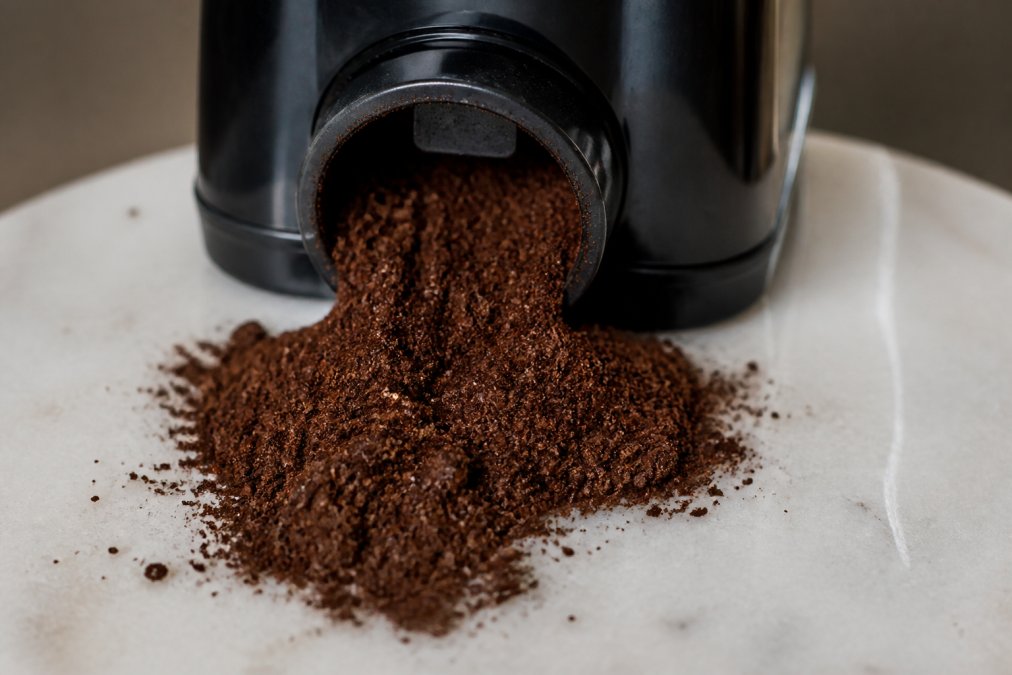
How to Fix Over-Extracted Coffee
Over-extraction is the leading cause of home coffee bitter flavours. It happens when water pulls too many soluble compounds from the grounds, releasing bitter flavours alongside the good ones.
The fix depends on your brewing method. For pour-over or drip coffee, reduce your brew time by 15-20 seconds. For French press, shorten steeping time from four minutes to three. For espresso, pull shorter shots, aim for 25-30 seconds rather than 35-40. Each method has a sweet spot where extraction is complete but bitterness hasn't kicked in yet.

Another approach is to use less coffee. Many home brewers use too much ground coffee relative to water. Try reducing your dose by 10% and see if the cup tastes cleaner. This lowers the overall extraction level without changing your technique.
Temperature also plays a role in extraction speed. Hotter water extracts faster and more aggressively. If your brewer runs too hot, bitterness compounds dissolve quicker. Check your equipment's actual temperature, many home brewers run hotter than their stated setting.
Coffee Grind Size Chart for Beginners
Grind size is one of the most overlooked variables in home brewing. The wrong grind size forces water through grounds too quickly or too slowly, leading to either under-extraction (sour, thin coffee) or over-extraction (bitter, harsh coffee).
Here's how grind size affects extraction:
| Brewing Method | Grind Size | Particle Size | Brew Time |
|---|---|---|---|
| Espresso | Extra Fine | Powder-like | 25-30 seconds |
| Turkish | Extra Fine | Powder-like | 3-4 minutes |
| Aeropress | Fine to Medium | Sand-like | 1-2 minutes |
| Pour-Over | Medium | Sand texture | 2-4 minutes |
| Flat-Bottomed Drip | Medium | Sand texture | 4-6 minutes |
| French Press | Coarse | Breadcrumb-like | 3-4 minutes |
| Cold Brew | Very Coarse | Chunky | 12-24 hours |
The relationship is simple: finer grinds extract faster (more surface area), coarser grinds extract slower (less surface area). If your coffee tastes bitter, try a slightly coarser grind. If it tastes sour or thin, try a slightly finer grind.
Most home grinders have numbered settings. Moving just one or two notches makes a noticeable difference. Start with the middle setting for your brewing method, then adjust from there based on taste.
The Difference Between Bitter and Sour Coffee
Bitterness and sourness are two completely different problems that require opposite fixes. Many home brewers confuse them, which means they make the wrong adjustment and make the problem worse.
Bitter coffee tastes harsh, burnt, or ashy. It coats your mouth and leaves an unpleasant aftertaste. Bitterness comes from over-extraction, too much contact time between water and grounds. The solution is to reduce extraction: use a coarser grind, lower water temperature, or shorten brew time.
Sour coffee tastes tangy, acidic, or sharp. It's like biting into a lemon. Sourness comes from under-extraction, not enough contact time. The solution is to increase extraction: use a finer grind, raise water temperature slightly, or extend brew time.
Here's the quick test: if your coffee tastes harsh and burnt, it's bitter. If it tastes bright but uncomfortably acidic, it's sour. Taste both sides of the spectrum, and you'll start recognising the difference instantly.
The confusing part: some coffees naturally have higher acidity (especially single-origin light roasts from East Africa). That acidity is pleasant, it's brightness, not sourness. Sourness is unpleasant sharpness caused by poor extraction. Once you've tasted properly extracted coffee, you'll know the difference.
Water Temperature and Brew Time
Water temperature and brew time are directly linked to extraction speed. Get either one wrong, and you'll either under-extract or over-extract your coffee.
The ideal water temperature for most brewing methods is 90-96°C. Hotter water extracts faster and more aggressively. Cooler water extracts slower. Many home brewers don't measure their actual water temperature, they just use boiling water straight from the kettle, which is often too hot.
If you don't have a thermometer, let boiling water cool for 30 seconds before pouring. This brings it down to roughly 95°C, which works well for most methods. For cold brew, temperature doesn't matter because you're steeping for 12-24 hours at room temperature anyway.
Brew time works in tandem with temperature. Longer brew time at lower temperature can match shorter brew time at higher temperature. Here's what matters: total extraction. If you increase temperature, reduce time. If you reduce temperature, increase time.
Bean Quality and Freshness Matter
The beans themselves have an enormous impact on whether your cup tastes bitter or bright. Stale beans, low-quality beans, and dark roasts all contribute to bitterness.
Fresh beans taste better. Coffee beans start losing flavour within two weeks of roasting. By four weeks, they're noticeably flat. By eight weeks, they taste dull and one-dimensional, and bitterness becomes more prominent. If your beans have been sitting in a cupboard for months, freshness is your problem.
Kiboko Coffee Co roasts small batches throughout the week and ships within days. This ensures your beans arrive at peak freshness. Beans that travel weeks to reach you have already started degrading.
Dark roasts naturally have more bitter compounds. They're roasted longer, which develops darker flavours and reduces acidity. If you hate bitter coffee, avoid dark roasts. Medium roasts like our Nyororo Blend offer richness without excessive bitterness. Light roasts taste brighter but can seem sour if under-extracted.

Low-quality beans taste worse no matter how well you brew them. Cheap beans often come from lower-altitude farms, are processed poorly, or are blended with defects. They lack complexity and taste flat or harsh. Specialty-grade beans from single origins taste cleaner and more nuanced.
Clean Your Equipment Regularly
Equipment cleanliness directly affects taste. Oils and residue from previous brews build up inside your brewer, grinder, and pipes. These old oils go rancid and taste bitter.
For pour-over brewers, rinse the carafe and dripper with hot water after each use. Once a week, soak them in hot water for 15 minutes to dissolve built-up oils. For French press, empty the grounds immediately after brewing, don't let them sit. Soak the pot in hot water weekly.
Espresso machines need regular backflushing (if your machine has a 3-way solenoid valve). Run water through the group head without the portafilter attached to clear oils. Descale your machine monthly with a proper espresso machine descaler. Mineral buildup affects temperature stability and extraction.
Grinders accumulate old coffee dust and oils inside the burrs. Once a month, run a small handful of uncooked rice through your grinder to absorb oils. Then discard the rice and grind a small amount of fresh coffee to clear out the rice dust. This keeps your grinder tasting fresh.
Bitter coffee doesn't have to be your morning reality. Most bitterness comes from one of these seven causes, all fixable with small adjustments. Start by identifying which one applies to your situation. Is your water too hot? Are your grounds too fine? Is your brew time too long?
Frequently Asked Questions
Is bitter coffee always a sign of over-extraction?
Not necessarily. Bitter coffee can result from over-extraction, but it may also stem from old beans, incorrect water temperature, or using a dark roast when you prefer lighter flavours. Over-extraction occurs when hot water contacts ground coffee for too long, pulling out excessive compounds. However, if your beans are fresh and your technique is sound, bitterness often points to one of these other culprits. Test each variable independently to identify the real cause.
How does water temperature affect coffee bitterness?
Water that's too hot extracts bitter compounds more readily, whilst water that's too cool produces weak, sour coffee. Aim for 90-96°C for most brewing methods. If your kettle boils at 100°C, let it cool for 30 seconds before brewing. Too-hot water accelerates extraction and intensifies bitterness, especially with fine grinds. Conversely, cooler water may leave your coffee tasting thin or acidic rather than smooth.
What's the best grind size to avoid bitter home coffee?
Grind size depends on your brewing method. For French press, use coarse grounds; for pour-over or AeroPress, use medium; for espresso, use fine. Finer grinds increase extraction speed, so they're more prone to bitterness if brew time runs long. Start with a grind that matches your equipment, then adjust slightly coarser if bitterness persists. Kiboko Coffee Co offers four grind sizes plus whole bean, so you can match the grind to your exact brewing method and taste preference.
Does dark roast coffee naturally taste more bitter?
Yes, dark roasts typically taste more bitter and smoky than light or medium roasts because the beans are roasted longer, developing deeper, more intense flavours. If you prefer a smoother cup, try a medium roast blend like Nyororo, which balances richness with sweetness and cleaner acidity. Conversely, some people enjoy the bold character of a dark roast. Your preference for bitterness is personal, so experiment with different roast levels to find what suits your palate.