Table of Contents
- Why Home Baristas Look Beyond Allpress
- Specialty Coffee Roasters UK: What Sets Them Apart
- Best Single Origin Coffee Beans 2026: Understanding Your Options
- Kiboko Blends as Allpress Alternatives
- How to Dial in Espresso at Home with Fresh Beans
- Freshness and Ethical Sourcing: What Makes a Real Difference
- Making the Switch: Practical Considerations
- Frequently Asked Questions
Last Updated: September 22, 2026
Why Home Baristas Look Beyond Allpress
When you're serious about espresso at home, you quickly realise that home baristas looking for an Allpress alternative have many options beyond one brand. Allpress has built a strong reputation, but it's far from the only option worth considering. The specialty coffee market has expanded dramatically, and for UK home baristas, the real question isn't whether alternatives exist, it's which ones actually deliver the quality and freshness you deserve.
Many coffee enthusiasts discover that what works for a busy café doesn't always work for your kitchen. Café-focused roasters often optimise for consistency across high-volume orders, which can mean beans sitting in stock longer than ideal. Home baristas, by contrast, benefit from roasters who prioritise freshness and roast smaller batches to demand. That shift in priority changes everything about what ends up in your cup.
At Kiboko Coffee Co, we understand what home baristas actually need: beans roasted fresh to order, multiple grind options for different brewing methods, and ethical sourcing that doesn't compromise on taste.
Specialty Coffee Roasters UK: What Sets Them Apart
The difference between a good specialty roaster and a mediocre one comes down to a few concrete factors: how recently they roasted, how transparently they source, and whether they actually understand home brewing equipment.
Specialty roasters in the UK have moved away from the "one-size-fits-all" model. Instead of selling the same medium roast to everyone, they're offering single-origin options, multiple roast profiles, and custom grind sizes. This flexibility matters because your French press, espresso machine, and pour-over brewer each extract coffee differently. A grind optimised for one method will underperform in another.
Ethical sourcing has also become non-negotiable for serious home baristas. You're not just buying coffee, you're making a choice about farming practices, fair wages, and environmental impact. The best roasters can tell you exactly where their beans come from, what altitude they were grown at, and what processing method was used. They often work directly with farmers rather than buying through middlemen, which means better traceability and better prices for the people actually growing the crop.
Specialty Coffee Association standards define what qualifies as specialty-grade coffee, it's a rigorous scoring system that filters out defects and rewards excellent farming and processing. When a roaster highlights SCA scores or works with certified origins, you're getting transparency you can trust.
Best Single Origin Coffee Beans 2026: Understanding Your Options
Single-origin beans, coffee from one specific farm or region, give you a clearer picture of what the coffee actually tastes like. Unlike blends, which combine beans from multiple origins to create a balanced profile, single-origin coffees express the unique characteristics of their terroir: the altitude, soil, climate, and processing method all leave their fingerprint on the final cup.
For home baristas exploring single-origin options, the key is understanding what each origin typically delivers. East African coffees (Ethiopia, Kenya) tend toward bright acidity and fruit-forward notes. Central American coffees (Guatemala, El Salvador, Honduras) often offer balanced sweetness and chocolate undertones. South American coffees (Brazil, Colombia) generally provide body and nutty sweetness. Indonesian coffees bring earthy depth and full-bodied richness.
The roast level matters enormously with single origins. A light roast preserves the origin's distinctive characteristics, you'll taste the acidity, the fruit notes, the complexity. A dark roast mutes those nuances and brings out roasting flavours instead. For single-origin exploration, start with medium or medium-light roasts, which balance origin character with approachability.
Kiboko Blends as Allpress Alternatives
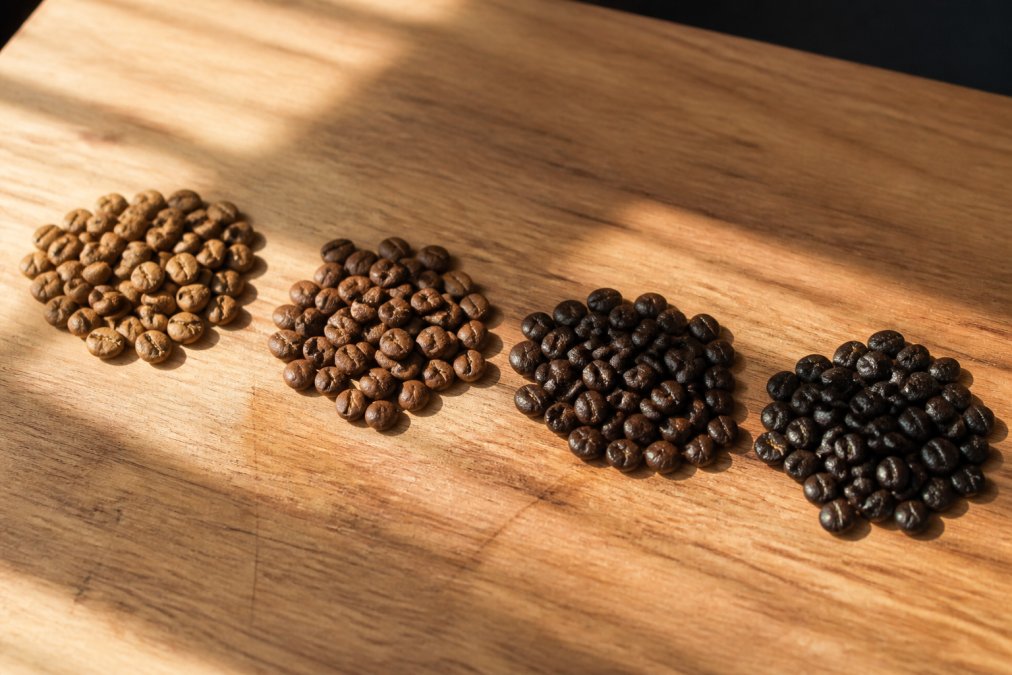
Kiboko Coffee Co offers four carefully crafted blends designed for different preferences and brewing methods. Each blend combines origins from multiple continents, with every kilogram sold contributing £1 to community projects in Africa through our 1FOR1 initiative.
Nyumba Blend: The Everyday Workhorse
Nyumba (Swahili for "house") is our everyday blend, the one we drink ourselves every day. It combines Guatemalan beans from the Antigua Valley with Brazilian beans from the Cerrado region. The result is a balanced medium roast with pecan, toffee, and milk chocolate notes that works beautifully as espresso, flat white, or filter coffee.
This blend is purpose-built for home baristas new to specialty coffee.
Nyororo Blend: Smooth and Luxurious
Nyororo (Swahili for "smooth") is the velvety in-between, richer than our house blend but without the intensity of a dark roast. It brings together Arabica from Brazil, Costa Rica, and Indonesia, roasted to a balanced medium that highlights vanilla, blueberry, and milk chocolate.
Usiku and Shujaa: Dark Roast Intensity
For dark roast lovers, we offer two options. Usiku (Swahili for "night") combines Ethiopian heirloom varieties with Indian and Indonesian beans, roasted to a deep, even dark that pulls out smoky molasses sweetness without crossing into burnt territory. It's built for espresso machines and moka pots, where high temperature extracts its chocolate-and-molasses richness perfectly.
Tamu Blend: Natural Sweetness
Tamu (Swahili for "sweet") is for coffee drinkers who prefer naturally sweet, low-acidity cups. It combines Brazilian beans from Sul de Minas with high-altitude Bourbon from El Salvador, hand-picked at peak ripeness. The roast profile brings out milk chocolate, raisin, and vanilla notes.
How to Dial in Espresso at Home with Fresh Beans
Dialling in espresso means adjusting your grind size and dose until you're pulling consistent shots with the right extraction time and flavour. It's the single most important skill for home baristas, and it's where fresh beans make an enormous difference.
Freshness and Ethical Sourcing: What Makes a Real Difference
Freshness and ethical sourcing aren't marketing buzzwords, they're concrete factors that change what you taste in your cup.
Making the Switch: Practical Considerations
Switching from Allpress or another established brand to a new roaster requires a small mental shift. You're not just buying a different product, you're buying into a different philosophy about freshness, sourcing, and quality.
| Blend | Best For | Roast Level | Tasting Notes |
|---|---|---|---|
| Nyumba | Espresso, flat white, filter | Medium | Pecan, toffee, milk chocolate |
| Nyororo | Lattes, smooth espresso | Medium | Vanilla, blueberry, milk chocolate |
| Tamu | Filter, pour-over, latte | Medium | Milk chocolate, raisin, vanilla |
| Usiku | Espresso, moka pot, French press | Dark | Nougat, molasses, dark chocolate |
| Shujaa | Lattes, flat whites, frappé | Dark | Caramel, dark chocolate, dates |
Frequently Asked Questions
What makes a good espresso bean for home machines?
A good espresso bean balances body, sweetness, and clarity. Look for medium to dark roasts with enough density to pull a thick shot and build crema. Blends like Nyumba work well because they combine beans from multiple origins: Guatemalan beans add complexity whilst Brazilian beans provide sweetness and body. Fresh roasting matters enormously, beans roasted within the past two weeks extract better than older stock. For home machines, consistency matters more than single-origin complexity, which is why blends designed specifically for espresso perform better than beans roasted for filter coffee.
Are there UK-based roasters that offer similar flavour profiles to Allpress?
Yes. Kiboko Coffee Co, a UK-based specialty roaster, offers blends. Nyumba Blend (£10.99) delivers a balanced, approachable profile, whilst Usiku Blend offers a bold, dark-roast intensity. Both are roasted to order in small batches and arrive within days, ensuring peak freshness. Every kilogram purchased supports coffee-growing communities through Kiboko's 1FOR1 initiative, adding ethical value to your purchase.
How do I choose between single origin and blends for my home espresso?
Blends are easier for home baristas because they're formulated to work across different brewing methods and water types. Single-origin beans highlight terroir but require more dialling-in. If you're new to specialty coffee, start with a blend like Nyumba or Nyororo at £10.99, both are designed to taste good with milk or black. Once you're confident with your machine, try single origins to explore regional flavour differences. The best single origin coffee beans 2026 tend to be lighter roasts that show more complexity, but they demand more precision in your grind and tamping.
Why is fresh roasting important for home baristas?
Coffee peaks in flavour 5-14 days after roasting, then gradually loses complexity and sweetness. Beans roasted weeks or months ago taste flat and bitter because the oils have oxidised. Kiboko roasts every order to demand throughout the week and rests the beans before packing, so most UK orders arrive within days of roasting. This freshness directly impacts extraction: fresh beans pull better crema, sweeter shots, and cleaner aftertaste. Supermarket coffee, often roasted months earlier, can't match this quality no matter your machine.
How does ethical sourcing affect the quality of coffee beans?
Ethical sourcing ensures farmers have incentive and resources to harvest at peak ripeness and process carefully. Beans picked green or processed poorly never develop the sweetness and complexity that specialty coffee demands. The £1 donation per kilo to Farm Africa supports farming communities, creating a virtuous cycle: better-paid farmers invest in quality, which improves your cup. This isn't marketing; it's how specialty coffee actually works.
Making the switch to fresher, ethically sourced specialty coffee is simpler than most home baristas expect. The barrier isn't complexity, it's just breaking the habit of buying what you've always bought. Once you've tasted what fresh-roasted, carefully sourced beans actually deliver, going back to supermarket coffee becomes impossible. Get started with Kiboko Coffee Co and experience the difference freshness and ethical sourcing make to your daily brew.