Table of Contents
- Quick Comparison Table
- Best Espresso Beans for Beginners: Our Top Picks
- Single Origin vs Blend for Espresso: Which Should You Choose?
- How to Dial in Espresso for Beginners
- How to Store Coffee Beans at Home for Maximum Freshness
- What to Look for When Choosing Espresso Beans as a Beginner
- Frequently Asked Questions
Last Updated: 20 September 2026
Quick Comparison Table
| Blend/Origin | Best For | Roast Level | Tasting Notes | Price |
|---|---|---|---|---|
| Nyumba Blend | Beginners starting with espresso | Medium | Pecan, Toffee, Milk Chocolate | £10.99 |
| Nyororo Blend | Milk-based drinks and smooth shots | Medium | Vanilla, Blueberry, Milk Chocolate | £10.99 |
| Tamu Blend | Natural sweetness without bitterness | Medium | Milk Chocolate, Raisin, Vanilla | £10.99 |
| Brazil Cerrado | First single origin exploration | Medium | Caramel, Hazelnut, Dark Chocolate | £10.99 |
| Colombia Antioquia | Classic balanced espresso | Medium | Cedar, Walnut, Chocolate | £10.99 |
Starting your espresso journey doesn't mean compromising on quality or flavour. The best espresso beans for beginners balance approachability with genuine complexity, beans that reward your effort without demanding expertise you don't yet have. At Kiboko Coffee Co, we've spent years helping UK coffee enthusiasts transition from capsule machines to specialty brewing, and the beans you choose matter far more than the equipment you start with.

This guide covers five exceptional options designed specifically for beginners learning to dial in espresso, alongside practical advice on storage, selection, and the single origin versus blend decision.
Best Espresso Beans for Beginners: Our Top Picks
Choosing the right espresso beans for beginners comes down to finding beans that taste good across a range of grind settings and tamping pressures. When you're still learning to dial in, you need beans forgiving enough to taste decent even when your technique isn't perfect.
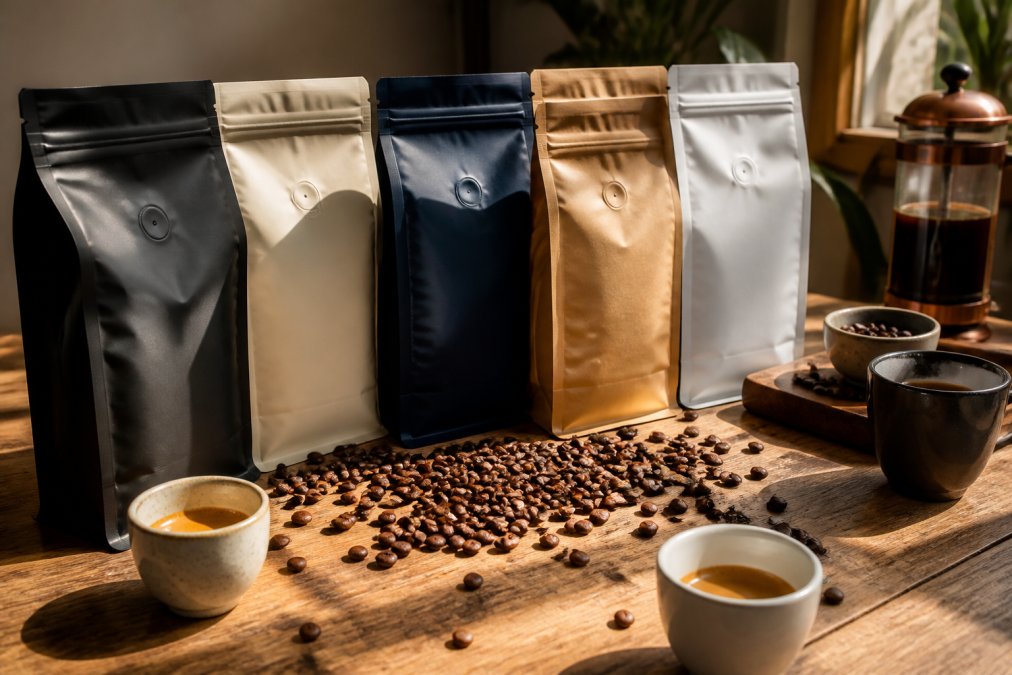
1. Nyumba Blend: The House Blend for Everyday Espresso
Nyumba is where most beginners should start. This is our house blend, the coffee we drink ourselves, and it's built specifically for moments when you want espresso that simply works. The blend combines Guatemala's Antigua Valley with Brazil's Cerrado region, creating beans smooth enough to drink black yet rich enough to hold their own against milk.
When you pull a shot of Nyumba, you get immediate caramel sweetness that builds a beautiful crema. This forgiving nature means slight variations in your technique won't ruin the cup. The pecan and toffee notes come through consistently, and the milk chocolate finish makes it equally at home in a flat white or Americano. Available in whole bean and four grind sizes, it's £10.99 for 250g.
Pros: Forgiving grind range, excellent crema, works black or with milk, consistent flavour profile Cons: Medium roast may feel less bold than some prefer, blends don't offer the origin clarity of single origins
2. Nyororo Blend: Smooth and Creamy for Milk-Based Drinks
If your espresso machine spends most of its time making lattes and flat whites, Nyororo is your blend. The name means "smooth" in Swahili, and that's exactly what you get, a velvety, luxurious cup without the intensity of a dark roast. This three-region blend brings together Brazilian beans for nutty foundation, Costa Rican beans for bright acidity, and Indonesian beans for earthy depth.
Nyororo pulls a beautifully creamy espresso shot that pairs effortlessly with steamed milk. The vanilla, blueberry, and milk chocolate notes are surprising for a blend, but they emerge because these origins were chosen with deliberate care. At £10.99 for 250g, it's the same price as Nyumba but offers a distinctly different character.
Pros: Exceptional with milk, velvety mouthfeel, unexpected flavour complexity, excellent crema stability Cons: Less suitable for black espresso shots, three-region blend means less traceability than single origins
3. Tamu Blend: Natural Sweetness Without the Bitterness
Tamu means "sweet" in Swahili, and this blend delivers exactly that. If you've struggled with bitter espresso shots in the past, Tamu changes the equation. The beans come from Sul de Minas in Brazil and Finca Las Isabellas in El Salvador, hand-picked at peak ripeness. The result is a velvety, low-acidity cup with milk chocolate, raisin, and vanilla, no bitterness, no harsh edges.
This blend shines as a filter coffee or pour-over, where the clean processing really emerges. But it also makes a beautifully smooth espresso, especially for beginners still learning to avoid over-extraction. The natural sweetness means even if your shot runs slightly long, you won't end up with a burnt, unpleasant cup. At £10.99 for 250g, it's an excellent choice if you prefer naturally sweet coffee.
Pros: Naturally sweet without additives, forgiving of over-extraction, low acidity, excellent as filter or espresso Cons: Medium roast may lack the punch some espresso lovers want, sweetness-forward profile isn't for everyone
4. Brazil Cerrado: Your First Single Origin
Ready to explore single origins? Brazil Cerrado is the logical starting point. Brazil is the world's largest coffee producer, and within Brazil, the Cerrado region of Minas Gerais is one of the most consistent producers of high-quality Arabica. The high plateau, defined wet and dry seasons, and mechanised harvest at peak ripeness combine to produce beans with the classic Brazilian profile: smooth, chocolate-forward, low in acidity, easy to love.
Our Brazil Cerrado is 100% Arabica with a blend of Mundo Novo, Catuai, and Bourbon varieties. You get caramel sweetness up front, a clear hazelnut note in the middle, and dark chocolate finish. This single origin is one of the best filter coffees we offer, but it also makes a beautiful mocha or macchiato where the chocolate notes complement milk and dark chocolate syrups. At £10.99 for 250g, it's the same price as our blends, making it an affordable entry into single-origin territory.
Pros: Excellent introduction to single origins, forgiving profile, versatile across brewing methods, consistent quality Cons: Less complex than African origins, chocolate-forward profile may feel one-dimensional to some
5. Colombia Antioquia: Classic Balanced Espresso
Colombia Antioquia represents the pinnacle of Colombian coffee excellence. Sourced from the legendary coffee-growing region surrounding Medellín, this supremo-grade coffee delivers a deliciously mild and nutty drinking experience. The fully washed 100% Arabica beans feature Caturra, Typica, and Bourbon varieties, roasted to a balanced medium that showcases traditional wet processing methods.
This is the coffee that has made Colombian coffee synonymous with quality.
Single Origin vs Blend for Espresso: Which Should You Choose?
The choice between single origin and blend espresso beans for beginners determines what you learn about coffee. Blends are engineered for consistency and balance, they're forgiving because multiple origins compensate for each other's weaknesses. Single origins teach you about terroir, processing methods, and how geography shapes flavour.
How to Dial in Espresso for Beginners
Dialling in espresso means adjusting your grind size until your shot pulls in 25-30 seconds and tastes balanced. This is where most beginners struggle, and it's where your bean choice matters enormously.
How to Store Coffee Beans at Home for Maximum Freshness
Coffee beans lose flavour through oxidation and moisture absorption. Proper storage extends freshness significantly. Keep beans in an airtight container away from light, heat, and humidity. A sealed jar in a cool, dark cupboard is ideal. Room temperature is fine, you don't need a fridge or freezer.
What to Look for When Choosing Espresso Beans as a Beginner
Start with medium roasts. Light roasts are more acidic and demanding. Dark roasts can mask poor technique under bold, roasty flavours. Medium roasts offer balance, enough forgiving sweetness to taste good while teaching you real technique.
Frequently Asked Questions
What makes an espresso bean beginner-friendly?
Beginner-friendly espresso beans are forgiving to dial in and taste good across a range of grind sizes and extraction times. Medium roasts like Nyumba Blend work well because they balance sweetness and body without requiring precision. Look for beans with clear tasting notes (chocolate, caramel, nuts) rather than subtle, complex flavours that demand technique to unlock. Blends are often easier than single origins because they're designed for consistency across different brewing methods.
Should beginners choose light or dark roast for espresso?
Medium roast is the best starting point for beginners. Light roasts require precise grind and extraction to avoid sourness, whilst dark roasts can mask mistakes but may taste bitter if over-extracted. Medium roasts like Nyumba, Nyororo, and Tamu offer sweetness and body that forgive slight dial-in errors. Once you've mastered medium roast espresso, you can explore lighter or darker options to develop your palate.
How do I store my coffee beans to keep them fresh?
Store beans in an airtight container away from light, heat, and moisture. A sealed bag with a one-way valve (like the bags beans arrive in) works well. Keep them at room temperature, avoid the fridge or freezer, which introduce condensation. Use beans within 3-4 weeks of roasting for best flavour. Our beans are roasted to demand and rest before dispatch, so most arrive at peak freshness with plenty of life left in them.
What's the difference between single origin and blend for espresso?
Blends combine beans from multiple origins to create consistency and balance, ideal for beginners because they're forgiving and taste good across different brewing styles. Single origins highlight one region's unique character and require more technique to dial in properly. Brazil Cerrado and Colombia Antioquia are excellent single origins to try once you're comfortable with espresso basics. Blends like Nyumba are the smarter starting point.
How long after roasting should I wait to use espresso beans?
Espresso beans are best used 5-10 days after roasting, once they've released excess CO₂ that can interfere with extraction. Using them immediately (day 1-2) can result in uneven shots and excessive crema. Our beans arrive properly rested and ready to brew, so you can start pulling shots straight away. They'll continue to taste excellent for 3-4 weeks if stored correctly in an airtight container.