Table of Contents
- Does Expensive Coffee Really Taste Better? What the Cup Actually Tells You
- Cheap vs Expensive Coffee: Where the Real Differences Show Up
- Why Is Specialty Coffee Expensive? Breaking Down the Price Tag
- Why Expensive Coffee Can Still Taste Sour or Bitter
- How to Taste Coffee: A Simple Method for Telling Beans Apart
- Best Coffee Beans for Home Brewing: What to Look For
- Conclusion: When Paying More Is Worth It, and When It Isn't
- Frequently Asked Questions
Last Updated: October 9, 2026
Does Expensive Coffee Really Taste Better? What the Cup Actually Tells You
Does expensive coffee really taste better? The honest answer is: sometimes, but not in the way most people expect. Price buys consistency, traceability and freshness, not a guaranteed flavour upgrade. At Kiboko Coffee Co, we roast single origins that sell for £10.99 a bag, and we will happily tell you when a cheaper bean is the smarter buy.
Here is the part most guides get wrong. They treat price as a flavour dial. It is not. A £4 supermarket bag and a £12 specialty bag can both taste flat if the cheap one is stale and the expensive one sat in a warehouse for months. What you are really paying for is the odds of a good cup.
That distinction matters, because the Specialty Coffee Association's guidance on green coffee grading draws the line at defects and consistency, not at price tags. Below, we break down what cheap vs expensive coffee actually changes in the cup, why specialty coffee costs what it does, and how to taste the difference yourself in under ten minutes.
Cheap vs Expensive Coffee: Where the Real Differences Show Up
The biggest difference between cheap and expensive coffee is not the bean itself. It is what happens after picking: how carefully the fruit is sorted, how it is processed, and how fast it reaches your grinder.
Cheap coffee is usually a blend of beans from many farms, bulked together for consistency and low cost. That is not automatically bad. It is simply built for scale, which means defects get averaged out rather than removed. Expensive coffee is typically single origin, meaning one region, often one washing station, picked and sorted by hand.
Three factors drive most of the gap:
- Sorting: specialty lots remove underripe and damaged cherries before roasting
- Processing: washed, natural and honey methods change acidity and sweetness
- Freshness: roast date matters more than origin for most drinkers
The freshness point is where most people lose money. A bag with no roast date is a gamble. Coffee stales quickly once roasted, and supermarket bags often sit for months. Our own beans are roasted through the week and rested before packing, so the roast date on the bag is close to the day it lands on your doorstep.
Why Is Specialty Coffee Expensive? Breaking Down the Price Tag
Specialty coffee is expensive because more human hands touch it before it reaches you. That is the short version. The long version involves farming at altitude, small harvests, and a supply chain with far fewer shortcuts.
Growing coffee above 1,500 metres slows the cherry's ripening, which concentrates sugars and builds the dense bean profile that specialty roasters chase. Those high-altitude plots produce less fruit per tree. Less fruit, more labour, higher price.
Then there is processing and shipping. Small lots are processed separately, graded, hand-sorted and shipped in smaller volumes. A single-origin Ethiopian lot might come from one washing station rather than a dozen blended together.
Ethical sourcing adds another layer. Paying farmers above commodity rates costs more, and it is the reason a specialty bag rarely competes with a supermarket own-brand on price. As the Fairtrade Foundation's work on coffee farmer income sets out, the gap between commodity pricing and a living income is the core problem the specialty market is trying to close.
That is the trade-off in plain terms. You are not just buying flavour. You are buying a shorter, more transparent chain.
Why Expensive Coffee Can Still Taste Sour or Bitter
An expensive bean can taste sour or bitter, and it is usually your brewing, not the coffee. This is the single most common reason people conclude that specialty coffee is not worth it.
Sourness almost always means under-extraction. The water moved through the grounds too fast, or the grind was too coarse, or the water was not hot enough. Bitterness means the opposite: over-extraction, often from too fine a grind or too long a brew.
Here is the quick diagnostic:
| Taste Problem | Likely Cause | Simple Fix |
|---|---|---|
| Sharp, sour, thin | Grind too coarse or brew too fast | Grind finer, slow the pour |
| Harsh, bitter, drying | Grind too fine or brew too long | Grind coarser, shorten the brew |
| Weak and watery | Too little coffee for the water | Increase dose by a few grams |
| Muddy and flat | Stale beans or old grind | Buy fresh, grind just before brewing |
A common mistake is blaming the bean for a bad cup when the grinder is the real culprit. A consistent grind matters more than a fancy brewer. If you are coming from a capsule machine, expect a short adjustment period while you dial in your grind size.
How to Taste Coffee: A Simple Method for Telling Beans Apart
Tasting coffee properly takes about ten minutes and no special equipment. The goal is not to become a judge. It is to work out whether a bean is worth buying again.
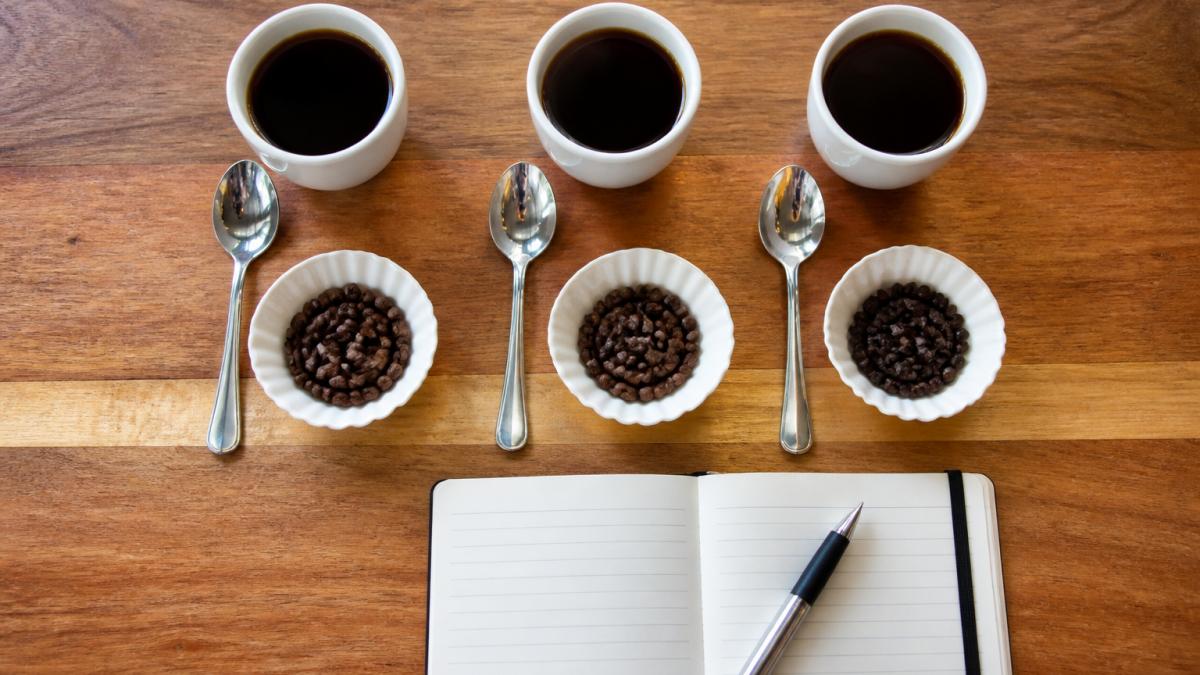
Use this method to compare two beans side by side:
- Weigh the same dose of each bean, roughly 12 grams per cup
- Grind both to the same setting so the comparison is fair
- Pour hot water just off the boil over the grounds and wait four minutes
- Break the crust with a spoon and smell the released aroma
- Slurp from the spoon so the coffee hits your whole palate
- Note sweetness, acidity, body and finish while the cup is warm
- Re-taste once it cools, since flavours shift as it drops in temperature
What you are looking for is clarity. A good bean tastes like something specific: caramel, plum, jasmine, dark chocolate. A poor bean tastes generically of coffee, or of nothing much at all.
For a practical example, our Ethiopia Irgachefe carries Earl Grey, jasmine and whisky notes, while our Brazil Cerrado runs caramel, hazelnut and dark chocolate. Those are very different cups, and tasting them back to back makes the difference obvious in a way that reading about it never does.

Best Coffee Beans for Home Brewing: What to Look For
The best coffee beans for home brewing are fresh, well-sorted and matched to how you actually brew. Everything else is secondary.
Start with the roast date. If a bag does not show one, walk away. Then match the bean to your method. A low-acidity bean suits milk drinks, while a bright, fruity bean shines in filter.
| Bean | Tasting Notes | Best For | Price |
|---|---|---|---|
| Brazil Cerrado | Caramel, hazelnut, dark chocolate | Filter, AeroPress, mocha | £10.99 |
| Ethiopia Irgachefe | Earl Grey, jasmine, whisky | Espresso, adventurous palates | £10.99 |
| Rwanda Kigali | Vanilla, cranberry, rhubarb | Pour-over, French press, cold brew | £10.99 |
| Costa Rica Tarrazu | Malt, plum, dark chocolate | Flat whites, cappuccinos, lattes | £10.99 |
| Colombia Antioquia | Cedar, walnut, chocolate | Espresso, flat whites | £10.99 |
Grind size is the other decision. If you do not own a grinder, buy pre-ground and match it to your brewer. We offer four grind sizes plus whole bean, so you can order ready to brew rather than guessing.

Conclusion: When Paying More Is Worth It, and When It Isn't
Paying more is worth it when you want consistency, traceability and a roast date you can trust. It is not worth it if the bag is stale, the grind is wrong, or you simply prefer a milder cup. Price tells you about the supply chain, not about your palate.
The practical rule: buy fresh, buy from a roaster who tells you when it was roasted, and match the bean to your brewer. Do that and the question of whether expensive coffee tastes better mostly answers itself.
At Kiboko Coffee Co, we roast in small batches through the week, offer four grind sizes plus whole bean, and donate £1 to Farm Africa for every kilo sold. Our customers have left 315+ reviews, and we hold a Judge.me Diamond Transparent Shop medal and a Silver Verified Reviews Shop medal.
Frequently Asked Questions
Does expensive coffee taste better than cheap coffee?
Not automatically, but it usually has more to offer. Expensive specialty coffee is typically picked riper, processed more carefully, and roasted in smaller batches, which reduces defects and preserves sweetness. Cheap coffee often contains a mix of underripe and overripe beans, so it tastes flatter or harsher. That said, a poorly brewed specialty coffee can taste worse than a well-made supermarket one. Freshness and brewing matter as much as price.
Can you taste the difference between cheap and expensive coffee in a blind test?
Many people can, once the coffee is brewed consistently. A useful approach is to brew two coffees the same way, same grind, same water, same ratio, and taste them side by side. Look for sweetness, clarity, and how long the finish lasts. Cheap coffee often turns bitter as it cools; a good single origin tends to stay sweet. You do not need to be an expert, just taste both without knowing which is which.
Is expensive coffee worth the extra money?
It depends on how you drink it. If you drink several cups a day and brew at home, a £10.99 bag of single origin works out far cheaper per cup than capsules or takeaway coffee. If you mostly want caffeine and add a lot of milk and sugar, a cheaper bean may suit you fine. The biggest gains come from freshness and roast quality, which is why small-batch roasters rest and pack to order.
Why can expensive coffee taste sour or bitter?
Sour and bitter notes are usually brewing problems, not bean problems. Under-extraction, where water passes through too fast or the grind is too coarse, gives a sharp, sour taste. Over-extraction, with too fine a grind or too long a brew, turns it bitter and drying. Adjust one variable at a time: grind, then ratio, then time. A medium roast like Brazil Cerrado is a forgiving starting point while you dial in your method.
If you are spending a fortune on capsules and want a cup that actually earns the price, the switch is simpler than it looks. Kiboko Coffee Co roasts to order for peak freshness, grinds to your brewer so there is no guesswork, and ships fast so your beans arrive ready to use. Shop now and taste the difference a fresh roast makes.